Research Report:
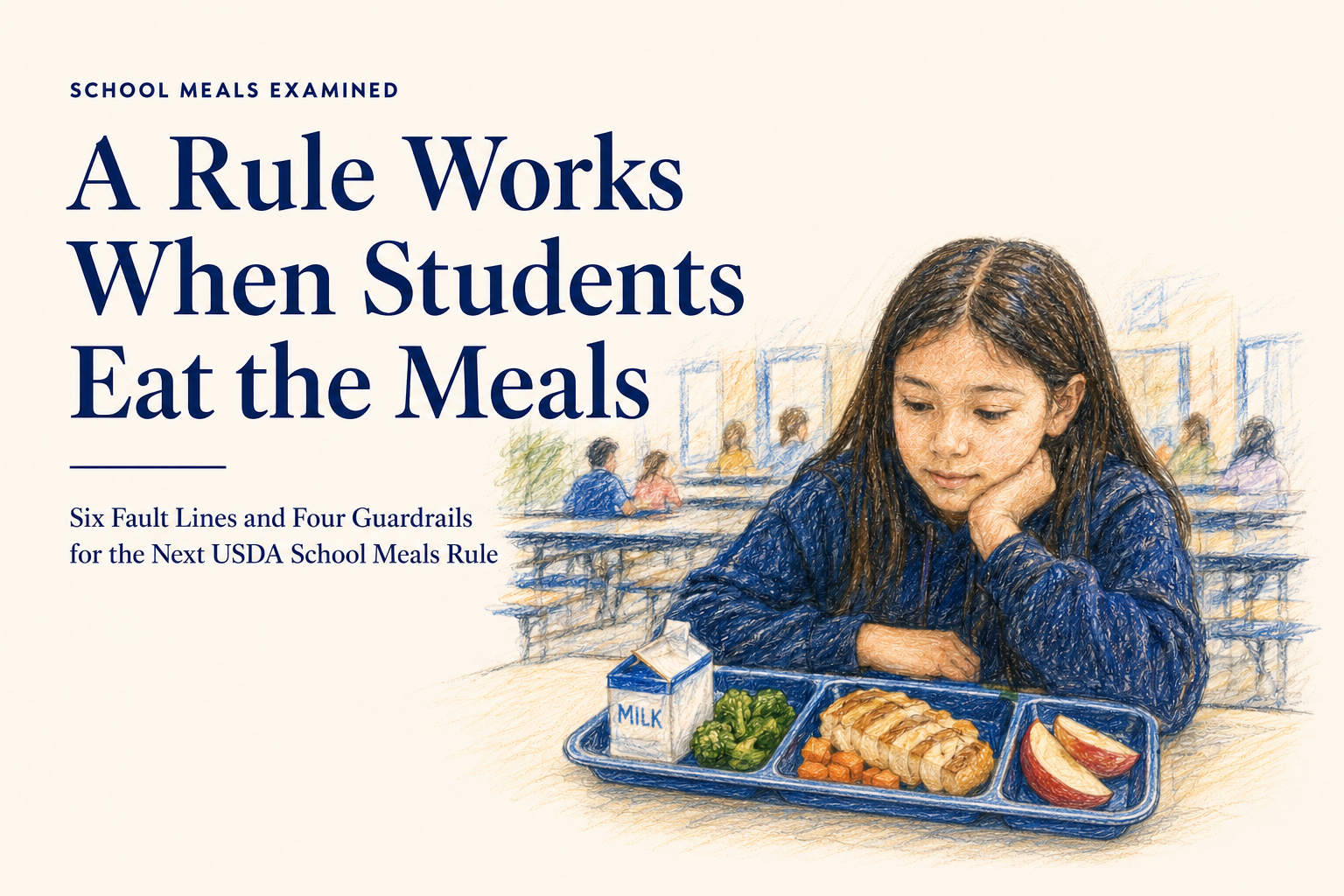
School Meals Examined
Six Fault Lines and Four Guardrails for the Next USDA School Meals Rule
USDA is preparing a consequential new rule for school meals that raises a basic question: how do you improve nutrition without undermining a program that already serves millions of children each day? The Carver Center’s new report, School Meals Examined: A Rule Works When Students Eat the Meals, examines that question through nutritional value, student participation, implementation challenges and the limits of federal authority. It proposes four tests for any new rule, including whether schools can deliver it and whether students will still eat the meals.
-
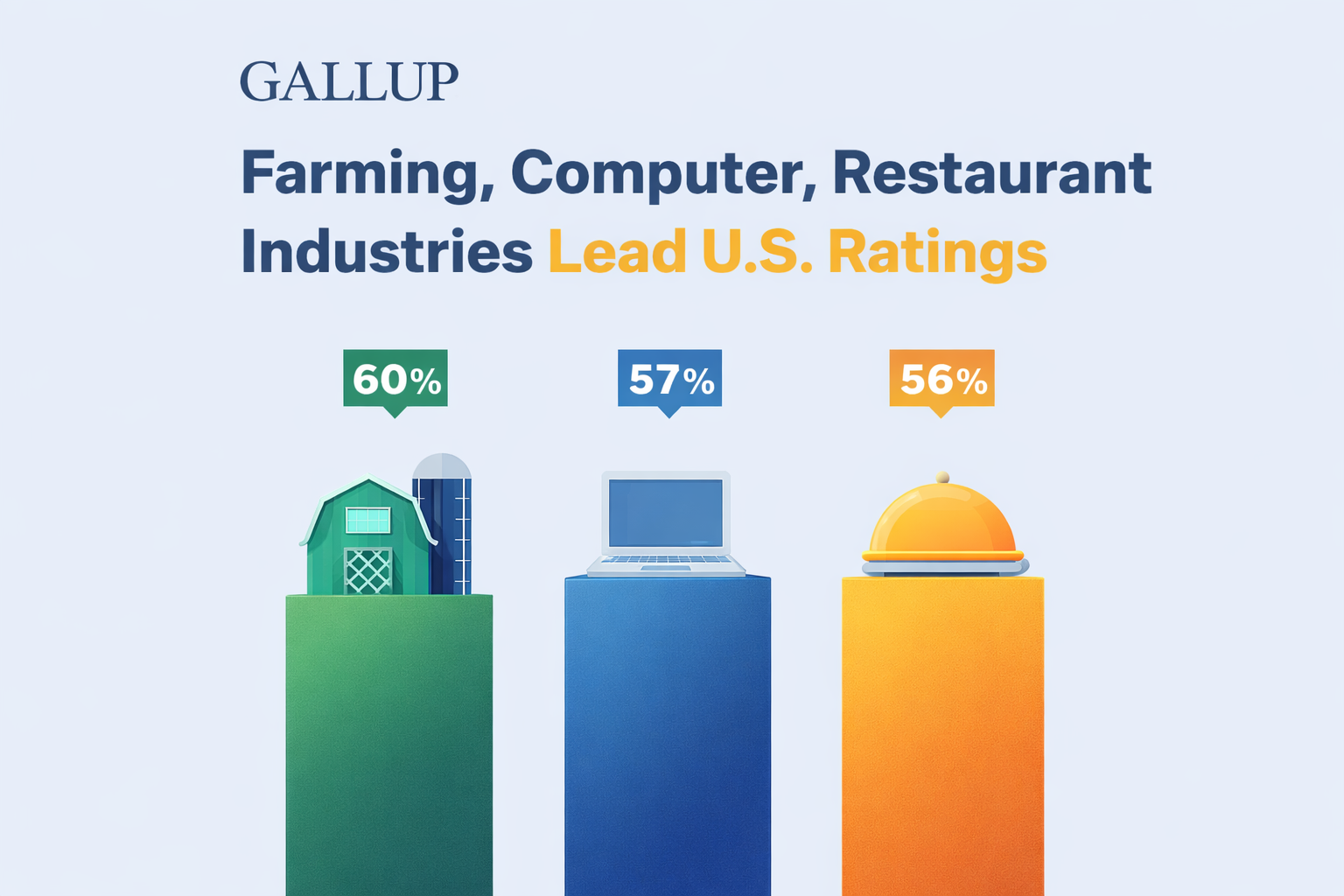
Carver Trust Index: What 25 Years of Gallup Data Shows About U.S. Economic Sectors
Our comprehensive analysis reveals a baseline position that policymakers often miss.
-
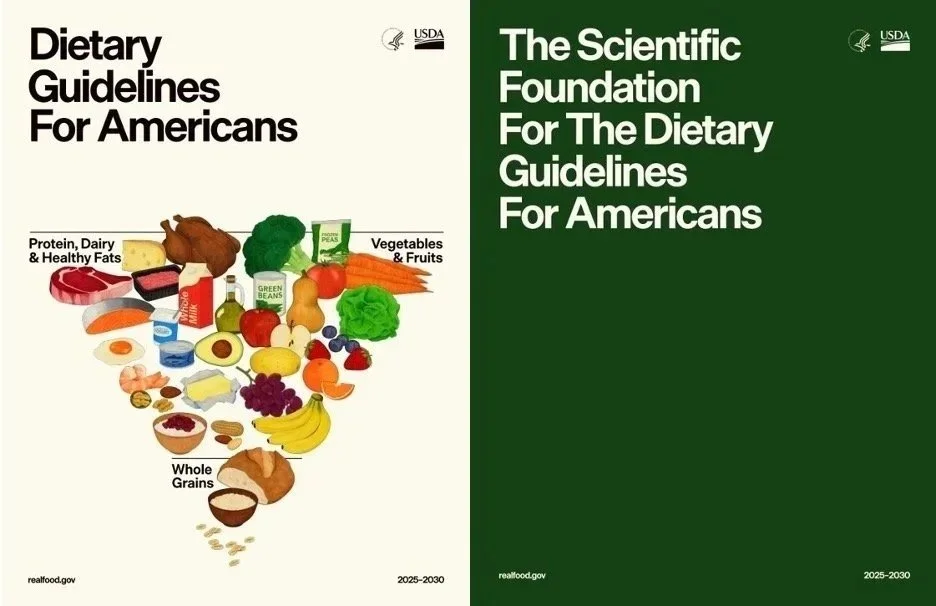
Disclosure Is Not Disqualification in Dietary Guidelines Review
Carver Center files memorandum supporting applied expertise in national nutrition policy.
-

Research Report: Childhood Chronic Disease in America
Examining what national data reveals about childhood chronic disease in America.
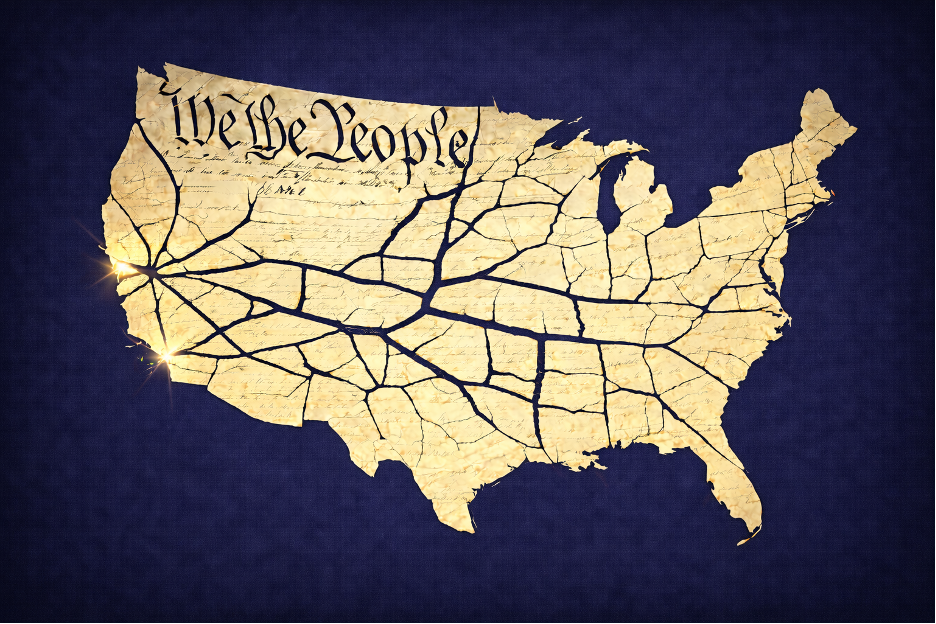
In recent years, one state's law has become a national rule. A new Carver Center report examines how California’s rule conditions sales in ways that affect food and farming across the nation, raising fundamental questions about federalism and interstate commerce. The report evaluates constitutional structure, executive branch findings, and market evidence to assess where governing authority properly resides.

The Carver Center engages in rigorous research and real-world analysis, bringing clarity to the choices that shape our modern food system.
Janie Hipp on Agricultural Finance, Protecting the Food System and Rebuilding Trust
Janie Hipp has spent more than four decades working across agriculture, law, government, philanthropy and finance. In this Carver Conversation, she explains why affordable food depends on strong institutions, practical access to capital and greater respect for farmers, ranchers and the systems that feed us. She also reflects on trust, long-term thinking and what America must do to protect its food future.